
Running a diesel generator at no load for a few minutes during startup or brief testing is generally safe. The risk begins when no-load operation is prolonged or repeated frequently over time. What determines safety is not simply time in minutes, but whether the engine eventually reaches proper combustion temperature and cylinder pressure under sufficient load.
In practical terms:
- 2–5 minutes for startup is safe.
- 10–15 minutes occasionally is usually acceptable.
- 30 minutes or longer, if repeated regularly without load, increases risk.
The problem is not one short run. The problem is a long-term pattern of underloading.
1. What Happens Inside the Engine at No Load
Even without electrical load, fuel injection continues.

The engine maintains rated speed and combustion cycles remain active. However, internal operating conditions change significantly.
At no load:
- Fuel injection still occurs
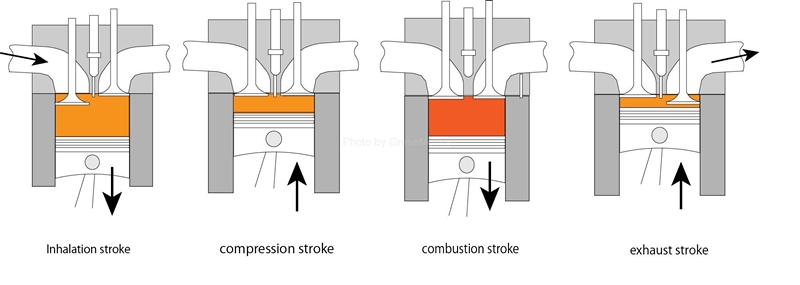
- Cylinder pressure drops compared to loaded operation
- Combustion temperature decreases
- Incomplete fuel burn begins

A diesel engine running without load does not reach the combustion temperature required for clean fuel burn.
Under proper load, higher cylinder pressure improves atomization and ensures more complete combustion. Exhaust temperature rises accordingly, helping prevent carbon deposits in the combustion chamber and exhaust path.
At no load, alternator resistance is minimal. Reduced cylinder pressure and low exhaust temperature result in:
- Partially burned fuel
- Soot formation
- Gradual deposit accumulation
Prolonged no-load operation lowers combustion temperature to a level that cannot sustain clean and efficient fuel burning.
This is not immediate mechanical damage. It is a gradual combustion-quality issue that develops over time.
2. Is 5 Minutes Safe? What About 30 Minutes?
Time matters, but context matters more.
2–5 Minutes: Startup Stabilization
This is normal practice.
During startup:
- Oil pressure stabilizes
- Coolant begins circulating
- Engine speed becomes steady
A short no-load warm-up period does not create harmful carbon buildup.
10–15 Minutes: Occasional Testing
If this happens occasionally and the generator later operates under real load, the engine will reach sufficient combustion temperature and clear minor deposits.
Occasional short duration is not equal to chronic underloading.
30 Minutes or More: Sustained No Load
When no-load operation extends beyond 30 minutes, exhaust temperature remains low for an extended period.
If this pattern is repeated monthly or weekly without meaningful load afterward:
- Combustion remains incomplete
- Carbon accumulation accelerates
- Maintenance frequency increases
The real risk is repetition without ever reaching sufficient load percentage.
3. Why Time Alone Is Not the Only Factor
There is no universal safe time limit because combustion quality depends on several variables.
Engine Size
Oversized generators are more vulnerable.
When a large-capacity generator runs at near-zero load, relative cylinder pressure remains far below its design operating condition. Chronic underloading becomes more likely.
Proper sizing significantly reduces this risk.
Ambient Temperature
Cold environments reduce combustion temperature further.
In cold climates:
- Engine block warms slowly
- Exhaust temperature remains low longer
- Incomplete combustion risk increases
Warm climates improve conditions slightly but do not eliminate the issue.
Turbocharged Engines
Most industrial diesel generators are turbocharged.
At no load, exhaust energy is insufficient to fully drive the turbocharger. Reduced boost pressure lowers air density in the cylinder, weakening combustion efficiency.
Lower boost pressure combined with no load reduces combustion stability.
Repetition Frequency
This is the most critical factor.
One isolated no-load event rarely causes damage.
Repeated no-load operation over months or years, without periodic high-load operation, gradually leads to deposit buildup and combustion instability.
The long-term operating pattern determines the outcome.
4. A Real Export Case Example
In one export project for a commercial building, the selected standby generator capacity was significantly higher than actual demand.
About a year after installation, the client contacted us reporting visible exhaust residue and increased maintenance frequency. Based on the operational logs they shared, monthly testing involved running the generator for about 20 minutes without meaningful load.
Recorded demand during those tests remained below 20 percent of rated capacity.
From our technical analysis, the issue was not mechanical failure but operating behavior combined with oversizing.
The generator rarely reached stable combustion temperature or adequate cylinder pressure during those monthly runs. Over time, incomplete combustion resulted in carbon accumulation.
After recommending periodic load bank testing at 60–70 percent load, combustion stabilized and maintenance intervals improved.

No-load operation itself was not the direct cause. The repeated failure to apply sufficient load was the real issue.
5. When Does It Become Harmful?

No-load operation becomes harmful when it is prolonged and repeated without ever allowing the engine to operate under sufficient load.
Warning signs include:
- Repeated long-duration no-load operation
- Consistently low exhaust temperature
- Visible soot or residue
- Increasing maintenance frequency
- Injector fouling or unstable combustion
Combustion damage develops when cylinder pressure and combustion temperature remain below clean-burn levels for extended periods over time.
Diesel engines are designed to operate under load. Continuous idling is outside their optimal working condition.
6. How This Connects to Low-Load Operation
No-load operation is the extreme end of low-load operation.
In real projects, I often see confusion between “starting without load” and “running long-term at very low load.” They are not the same risk level.
If you want a complete explanation of how load percentage affects combustion temperature, cylinder pressure, and engine health, you can read the full discussion here:
https://waltpower.com/is-it-good-to-start-a-diesel-generator-at-no-load/
That page serves as the main entry point for understanding no-load and low-load operation in a broader context.
From a system planning perspective, I always emphasize:
- Correct generator sizing
- Realistic load evaluation
- Scheduled load bank testing
- Avoiding chronic underloading
A generator that occasionally starts without load is normal.
A generator that never operates under sufficient load will eventually develop combustion-related issues.
Conclusion
Short no-load operation during startup or brief testing is acceptable.
Long and repeated no-load operation without meaningful load application is not.
The engine must periodically reach stable combustion temperature and adequate cylinder pressure to maintain clean internal conditions.
What protects a diesel engine is not how briefly it runs, but whether it eventually reaches proper operating load.


